By Henry Thornton | October 14, 2026
Last Updated on October 14, 2026
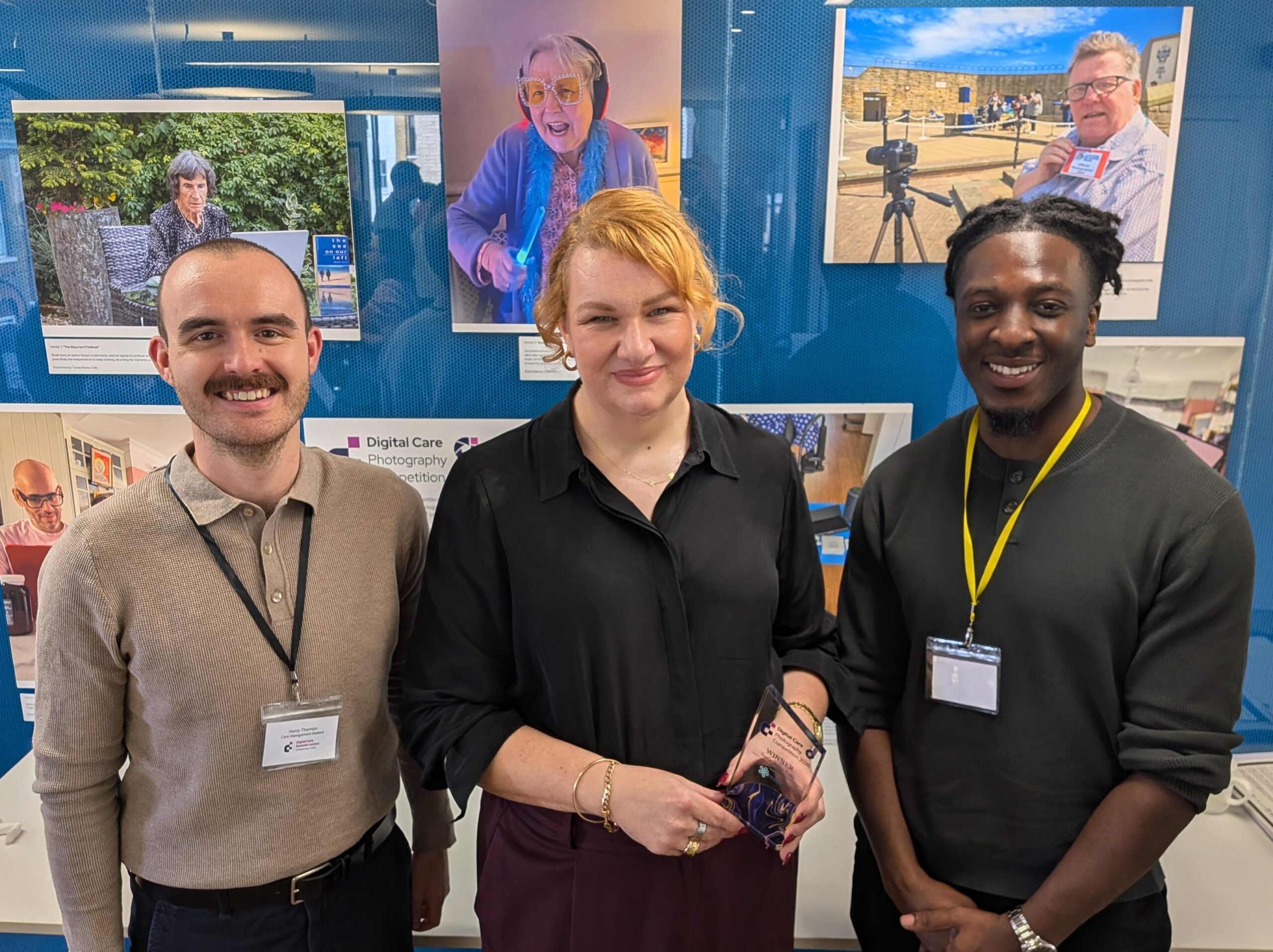
CMM sat down with Michelle Corrigan, Chief Executive Officer at Digital Care Hub at last month’s Digital Care Summit London 2026, to take stock of the sector’s digitisation to date, and look forward to the future.
CMM: What are the biggest digital transformation challenges facing care providers today?
Michelle Corrigan: I think there are three main challenges. The first is simply understanding what digital transformation means for social care and deciding where to invest. Providers are asking: What technology should we choose? What is worth spending money on?
The second challenge is transforming services that have traditionally operated in a very fixed way. Many organisations have delivered care in the same way for 20 or 25 years. The question is how you modernise those services and integrate technology effectively. I would argue that you don’t put technology at the centre of care; instead, you build care around technology where it adds value.
The third challenge is cybersecurity. Introducing new digital systems also introduces new risks. Providers suddenly need to become knowledgeable about cybersecurity at a time when many are still developing their digital expertise. So, for me, the key issues are where to invest, how to transform services, and how to keep organisations safe.
CMM: How has the conversation around digital solutions evolved over the last few years?
MC: It’s been a really interesting shift, and I’d say much of that change has happened even within the last six months. Historically, social care has been quite reactive. We reacted to the introduction of digital social care records, and we adopted workforce management software because we needed practical ways to manage staff.
Now, the conversation is moving towards technologies such as sensors, ambient voice technology and remote monitoring. This is particularly exciting because other countries, such as the Netherlands and Spain, have been using these approaches for decades.
We’re starting to explore how technology can reduce the need for someone to be physically present ‘just in case’. Instead of simply removing those roles, we should be asking what those skilled care professionals could be doing instead.
The most innovative providers aren’t viewing technology solely as a way to cut costs or improve efficiency. They’re seeing it as a way to improve care itself by reducing some of the burdens placed on staff.
I’m also very interested in predictive analytics. We’re gathering huge amounts of data through monitoring systems, and that data can tell some really important stories. For example, monitoring hydration levels could help identify urinary tract infections earlier, while tracking movement patterns could support genuine falls prevention rather than simply falls notification after an incident has occurred. The potential impact of that kind of insight is enormous.
CMM: What policy changes could help accelerate digital transformation in the sector?
MC: I’m particularly interested in policy changes that achieve two things. First, policy should make it easier for social care providers to make informed decisions. I’d like to see clear standards for what good digital practice looks like within the sector. Some progress has already been made through digital social care records and approved solution lists, but I want that guidance to be as practical and accessible as possible.
Secondly, I think we need stronger support around cyber resilience and response. We’ve seen significant investment in cyber resilience programmes over recent years, and that investment has been unprecedented for the sector. It’s been hugely valuable.
However, when it comes to responding to a cyber incident, there is much less guidance available. I recently ran a workshop on cyber response and, when I asked people what they would do during an incident, there were a lot of shrugged shoulders. Many simply don’t know because there isn’t a clear framework to follow.
That is where I’d like to see further policy development. If organisations know what action to take when something goes wrong, they’ll feel much more confident embracing digital innovation in the first place. The investment has created resilience, but now we need to create a lasting legacy from that work.
CMM: Following the Summit, what practical changes are you hoping delegates will take back to their organisations?
MC: We’ve deliberately designed today’s agenda around practical actions. For example, we’ve launched a communications checklist for responding to a cyber incident. My hope is that people take it away and print it out. A cyber incident checklist isn’t much use if it’s stored on the computer systems that might be unavailable during an attack. I also hope people have built valuable relationships today and that they continue those conversations after the event.
What’s been especially encouraging is seeing so many new faces. I’ve attended these events for years, and while it’s great to see familiar people, today there were a lot of newcomers. I’d like them to leave feeling that the conversation around digital transformation is relevant and worthwhile, and to encourage others to get involved.
We have a wealth of resources available, and I want people to tell us what’s missing. If there’s something they need and can’t find, I want them to let us know. We’ll find a way to fund it and create it.
Social care is strongest when it speaks with a collective voice. I feel we’re only just beginning to build that collective voice around digital transformation, and I want today’s conversations to continue and grow.
CMM: Where do you see the sector’s digital journey over the next 12 months?
MC: We can’t avoid the conversation around AI. Over the next year, I expect to see more AI integrated into existing systems. Whether it’s analysing data generated by digital social care records, processing information from emails, or identifying trends across different platforms, AI will increasingly help providers spot patterns, make predictions and improve care outcomes.
I also believe we’ll see wider adoption of remote monitoring technologies that reduce time pressures and manual tasks. For example, nobody really wants to be woken every hour while staff check they’re safely in bed. Technology can help monitor wellbeing without unnecessary disruption, which benefits both care recipients and staff.
At the same time, it’s important that people retain choice. Not everyone will want to use these technologies, and that’s perfectly acceptable. Digital innovation should always be rooted in independence, autonomy and personal choice. People should be able to access technology if they want it but still receive high-quality care if they don’t.
We mustn’t become distracted by the latest trends or shiny new tools. I’m involved in this space because I genuinely care about improving care. I believe digital technology, used well, improves outcomes and keeps people safe. But we also need to recognise that some people will always prefer a more traditional approach, and that’s fine. We should build systems that accommodate both. Over the next 12 months, AI and remote monitoring are the two areas I expect to develop most rapidly.
CMM was proud to join Digital Care Hub as its Media Partner at the Digital Care Summit London 2026. To read CMM’s review of the Summit, click here.