
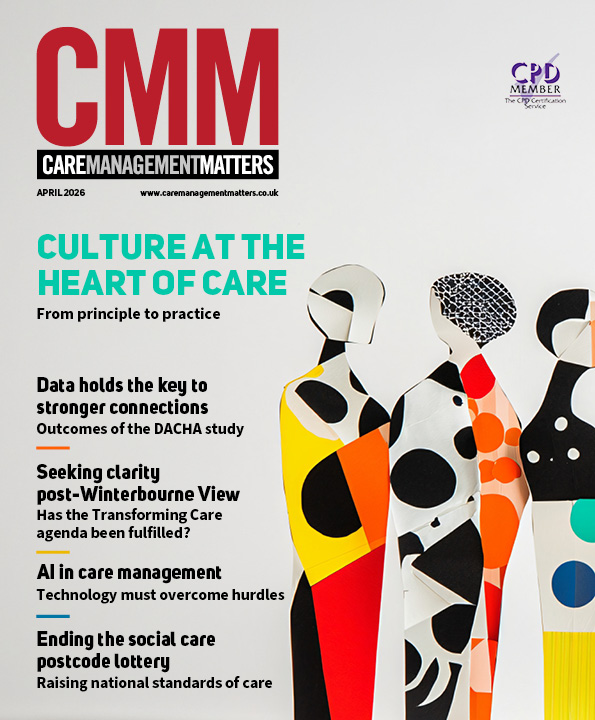
The launch of NAPA’s Year of Culture at the National Activity Conference marks an important and timely moment for the care sector. It reflects a growing understanding that culture is something that shapes everyday life for the people who live and work in care settings. When NAPA talks about culture, it is not only referring to the arts, performances or special events. It is talking about the lived experience of care – how people treat one another, what is valued and how meaning is created in daily life.
A useful way to understand this comes from the Welsh writer and thinker, Raymond Williams, who describes culture as ‘a whole way of life’. Williams helped to shift the idea of culture away from being only about high art or formal culture and towards the everyday. He argued that culture is found in routines, habits, language, humour, relationships and shared practices. In other words, culture is made by everyone, every day.
This perspective is especially relevant in care settings. A care home or service is a community with its own rhythms and relationships. The way people are greeted in the morning, whether there is time for conversation, how birthdays or cultural festivals are marked, how food is shared and how families are welcomed all contribute to culture. These small, repeated actions shape how people feel about themselves and whether they feel or belong.
The Year of Culture encourages services to notice these everyday moments and to be more intentional about them. It asks gentle but important questions. Do people feel known as individuals? Are their histories and preferences recognised? Are different cultures, faiths and identities respected? Do routines support comfort and choice, or only efficiency?
This focus is about recognising that small actions matter. A familiar song, a shared story or a respected ritual can help someone feel connected and valued. For people living with dementia, these moments can support memory and identity. For staff, they can bring meaning and pride in their work. For families, they can offer reassurance. By launching the Year of Culture, NAPA is inviting the sector to pay attention to the atmosphere of care. Culture is something created together by everyone in a service. When it is thoughtful and inclusive, care settings become places where people feel part of the culture, not separate from it.
The theme follows the Year of Musical Expression, which saw widespread uptake among providers and produced measurable improvements in resident engagement, emotional wellbeing and staff confidence. Independent evaluation of that programme, alongside case studies submitted by care services, demonstrated how a focused national theme can help translate creative ideas into everyday practice.
Building on that success, the Year of Culture broadens the focus from a single creative medium to a wider consideration of identity, belonging, organisational culture and access to cultural life. The theme has been shaped in collaboration with NAPA’s Activity Providers Advisory Group, ensuring that it reflects the realities of frontline practice rather than being purely theoretical. Input from activity providers helped to define what ‘culture’ means in real services, from how homes support meaningful activity, to how they recognise residents’ identities and how they connect people with the arts and wider community. This aligns with growing evidence that participation and social connection are central to wellbeing in later life.
Embedding activity into everyday routines
One way of understanding the theme is through the culture of care within organisations themselves. In services where activity provision is effective, there is typically a clear organisational commitment to meaningful engagement. Staff at all levels recognise the importance of social connection and purposeful activity, and activity teams are given time, training and status within the wider workforce. By contrast, where activity is treated as secondary to physical care, provision often becomes inconsistent and overly dependent on individual enthusiasm. The Year of Culture encourages providers to reflect on these internal dynamics and consider whether their service culture genuinely supports vibrant daily life.
In practice, this can be seen in services that have embedded activity into everyday routines rather than confining it to scheduled sessions. Some providers have redesigned morning routines so individuals can take part in music, conversation or creative tasks while personal care is delivered. Others have introduced individual-led clubs, such as local history groups or craft circles, which build on shared interests and personal backgrounds. These approaches shift activity from being an ‘extra’ to being part of how the service functions day to day.
Culturally familiar experiences
A second strand of the theme focuses on culturally sensitive activity that reflects the identities of people receiving care. Many providers are already beginning to move beyond generic activity calendars and towards programmes shaped by individuals’ personal histories. For example, some services have developed reminiscence projects based on former occupations, such as recreating a post office counter for a former postal worker or setting up a gardening group led by those who previously worked outdoors. Others have introduced music sessions centred on specific cultural or generational influences, such as Caribbean music afternoons for individuals with West Indian heritage, or 1950s and 1960s radio hours that draw on shared memories.
In dementia care, culturally familiar experiences are increasingly being used to support emotional wellbeing and communication. Services have reported positive outcomes from personalised playlists, faith-based observances tailored to individuals’ beliefs and sensory activities built around familiar scents, foods and household routines. These practices reinforce the idea that meaningful activity is most effective when it connects with identity, memory and lived experience, rather than relying on standardised entertainment.
Forming cultural partnerships
The third dimension of the Year of Culture relates to access to culture and the arts. Entering residential care can sometimes limit people’s opportunities to continue engaging with creative and cultural life, even when these have been important throughout their lives. Some providers are addressing this by forming partnerships with local theatres, music groups, museums and schools. There are examples of care homes hosting live performances from community choirs, running creative writing projects with local colleges, or working with artists to co-create exhibitions that showcase residents’ artwork and life stories.
One provider shared how they had completed their first culture project with the individuals they support, focusing on a team member’s home country through food, music and traditions. This sparked meaningful conversations and memories, brought everyone closer, and they are now preparing for the next country as part of their ongoing plans.
Another organisation spoke about launching a cultural connections programme as part of NAPA’s Year of Culture, with monthly celebrations of cultures represented within their team and the people they support. Through shared activities, food, music and stories, they have seen people feel more valued, included and engaged. Research increasingly supports these approaches. Participatory arts and community-based cultural activities have been linked to improved wellbeing and social connection in older adults.
Supporting implementation
NAPA’s decision to make culture the 2026 theme reflects wider changes in the sector. Care populations are becoming more diverse, expectations around personalised care continue to rise and regulators increasingly emphasise wellbeing, dignity and quality of life alongside clinical standards. At the same time, providers are looking for practical frameworks that help them demonstrate impact in engagement and social care outcomes. Culture offers a way to bring these priorities together, linking identity, creativity, inclusion and organisational practice under a single, coherent focus.
To support implementation, NAPA is developing a suite of practical resources, including guidance on culturally informed activity planning, training opportunities for activity and care staff and a dedicated Year of Culture toolkit designed to help providers review and strengthen their current practice. The toolkit brings together case studies, reflective exercises, planning templates and examples of good practice from across the sector, enabling services to adapt the theme to their own context rather than following a fixed model.
Alongside these resources, NAPA is continuing to offer training and professional development aimed at improving confidence in delivering meaningful, inclusive activity. Lessons learned from the Year of Musical Expression, including the value of structured support, shared learning and evaluation are informing how the Year of Culture is being rolled out, with an emphasis on sustainability rather than one-off initiatives.
Taken together, the Year of Culture represents an effort to move cultural engagement from the margins of care into mainstream practice. Rather than treating culture as an occasional theme or celebratory event, the initiative encourages providers to embed it into care planning, workforce development, community partnerships and everyday routines. If implemented effectively, it has the potential to strengthen identity-led practice, enhance wellbeing and leave a lasting legacy beyond 2026.
For more information about the Year of Culture and how to get involved, visit the NAPA website. Then, visit the CMM website and leave a comment on this feature or join the conversation to share your thoughts.
Hilary Woodhead is Chief Executive Officer at NAPA. Email: [email protected] Linkedin: @NAPA-National-Activity-Providers-Association