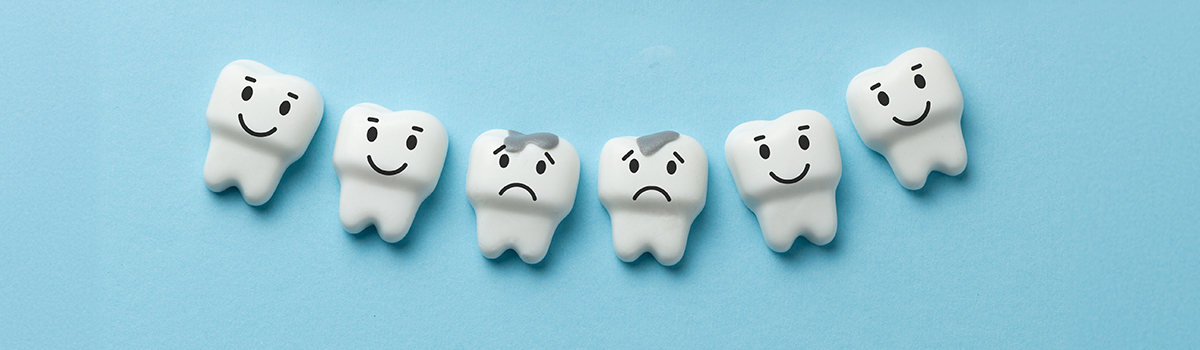

Oral health is often overlooked within the care sector. While efforts are made to provide residents with proper nutrition and correct medication to support their physical and mental wellbeing, dental care frequently remains neglected.
The focus on more immediate concerns, such as managing the common illnesses associated with ageing, including Alzheimer’s disease and dementia, can overshadow the importance of maintaining good oral hygiene.
However, maintaining high standards of oral hygiene is crucial, as it has been shown to reduce the risk of developing more serious health issues. Ensuring proper dental care is an essential component of overall health for older adults.
A large-scale issue
According to the British Dental Association, around 5.4 million people have given up trying to get an appointment in the past two years and another 5.6 million attempted but failed to see a dentist. These figures highlight a concerning decline in the public’s ability to take care of their oral health, increasing the risk of infections and undiagnosed issues.
Older residents in care homes are particularly susceptible to dental problems due to their limited access to dental care, the physical challenges of maintaining oral hygiene and the absence of regular check-ups.
As an Oral Health Champion, I strongly believe that everyone should have regular access to dental care, even if they feel confident in their oral hygiene already. After dedicating long hours, I successfully enrolled a dentist to visit our home every six months to perform oral care checks for willing residents – a service that has proved to be very beneficial.
My first piece of advice is to secure a professional to help wherever possible, as it eases the burden on team members who already have so many responsibilities. I will go on to provide further advice including how to identify signs of poor oral health and improve overall dental wellbeing among residents.
Monthly check-ins and assessments
It is important to incorporate oral care into a resident’s care plan and conduct monthly equipment checks – ensuring that toothbrushes are in good condition, with the correct bristle shape, replacing them if needed, while making sure there is enough toothpaste and mouthwash available for each resident.
Every month, I update each resident’s dental hygiene scores. This systematic approach allows me to closely monitor and quickly identify people who may require additional attention. By tracking these scores over time, I can observe patterns and intervene early if a resident’s oral health is declining.
The Care Quality Commission’s (CQC’s) 2019 report, Smiling matters: Oral health in care homes, outlined several recommendations for improved oral hygiene, including the establishment of an Oral Health Champion in every home to promote good practice and provide a link between care homes and dental professionals, oral health check-ups for all residents upon admission and better signposting to local dental services.
Despite the regulator’s recommendations, following the publication of a progress report in 2023, it was found that only 28% of 50 care homes visited between April and June 2022 to contribute the report’s findings said they had appointed an Oral Health Champion. While this statistic only represents a small number of providers, it suggests that there is still work to be done to enhance the visibility of oral health as a priority for care providers.
To maintain a favourable CQC rating, it is important to conduct health assessments every six months, even for residents who choose not to register with a dentist. It is also important to maintain a robust evidence base of these assessments should they be called upon during an inspection.
Signs of poor oral hygiene
Poor oral hygiene can cause a range of symptoms that significantly impact overall health and wellbeing. Common signs include persistent bad breath, gum disease and tooth decay, which manifests as red, swollen or bleeding gums, cavities and tooth sensitivity. Plaque and tartar build-up are also indicators, often resulting in yellowing or discolouration of the teeth.
As oral health deteriorates, individuals may experience mouth sores, ulcers and increased sensitivity to hot, cold or sweet foods. A dry mouth, due to insufficient saliva production, can exacerbate these issues by raising the risk of tooth decay and gum disease.
Toothache is a frequent symptom, signalling potential infections or cavities, while more advanced problems like loose teeth or changes in bite alignment can occur if poor oral hygiene persists.
These symptoms not only cause discomfort and pain but can also lead to behavioural changes, such as irritability or fatigue, due to persistent pain. Maintaining proper oral care is crucial to prevent these issues and ensure both mental and physical health.
In addition to the physical health implications, there are psychological and social benefits to maintaining oral hygiene. Poor dental health can lead to pain, discomfort and embarrassment, which may result in social withdrawal and a decline in mental wellbeing.
For residents in care homes, this can exacerbate feelings of isolation and negatively impact their quality of life. Therefore, encouraging and facilitating regular dental care can play a vital role in ensuring residents feel comfortable, confident and socially engaged.
Causes of poor oral hygiene
The causes of poor oral hygiene can vary depending on individual circumstances, but generally, they include failing to brush and floss regularly or properly, which can be interconnected and influenced by the ageing process.
One significant cause is the decline in physical mobility, such as people struggling with arthritis which makes it difficult to perform daily tasks like brushing and flossing effectively. As a result, these individuals may not be able to maintain the same level of oral care they once did.
Cognitive impairments, such as Alzheimer’s disease and dementia, also play a major role in poor oral hygiene. Residents with these conditions may forget to brush their teeth, lose the ability to perform oral care routines or become resistant to assistance.
In addition, medications commonly prescribed for older people can reduce saliva production, leading to a dry mouth, which exacerbates the risk of tooth decay and gum disease. The lack of sufficient saliva to naturally cleanse the mouth means that food particles and bacteria remain longer, contributing to poor oral health.
Consistency and training
Maintaining oral health in a care home setting requires thorough training for team members on what to look for during both daily interactions and oral health assessments. Team members have regular contact with residents and are more likely to notice subtle health changes that older people may struggle to communicate themselves or may pass off as part of ‘old age’.
All team members must follow the same protocols and share a unified approach to oral hygiene, as this consistency is key to maintaining high standards of care across the home.
As a result of proactively advocating for oral health in care homes, I was approached by the NHS for advice and assistance in setting up a new scheme for all care homes.
Since its inception, around 33 dentists in Essex have joined the scheme to visit other care homes. It is encouraging to see the NHS focusing more on this initiative and working towards improving standards, and things do look promising for the future in this area.
Upon reflection, the main thing I have taken from this opportunity has been the importance of shouting about all the positive initiatives that are happening within a care home, as it can help to encourage local authority and community involvement, creating an integrated system that produces mutually beneficial relationships.
Sharing best practice
One of the best habits to get into for promoting good oral health in care homes is to learn from others in the sector, share best practices and repeat and reinforce the guidance. At Nellsar Care Homes, we like to share information across all our 13 homes across Kent, Surrey and Essex. We find that this is a great way to learn from one another and support each other in a journey towards a common goal.
In an ideal world, I would like to get to a point where every home follows the same procedures and paperwork, ensuring a standardised and comprehensive approach to oral care across the whole of the social care sector. As members of the sector’s workforce, we can step up to help by creating more Oral Health Champion roles, who can take the lead in promoting good oral health within care homes.
By prioritising oral health, we are not just treating symptoms but enhancing the overall quality of life for residents in our care. We are proud to be at the forefront of this important initiative and hope to inspire others in the sector to follow suit.
What procedures does your care setting have in place to maintain residents’ oral health? Leave a comment on this feature or join the conversation to share your thoughts.
Alexandra Kelly is an Oral Health Champion at Silverpoint Court Residential Care Home, part of Nellsar Care Homes.
Email: [email protected] X: @Nellsar_Care